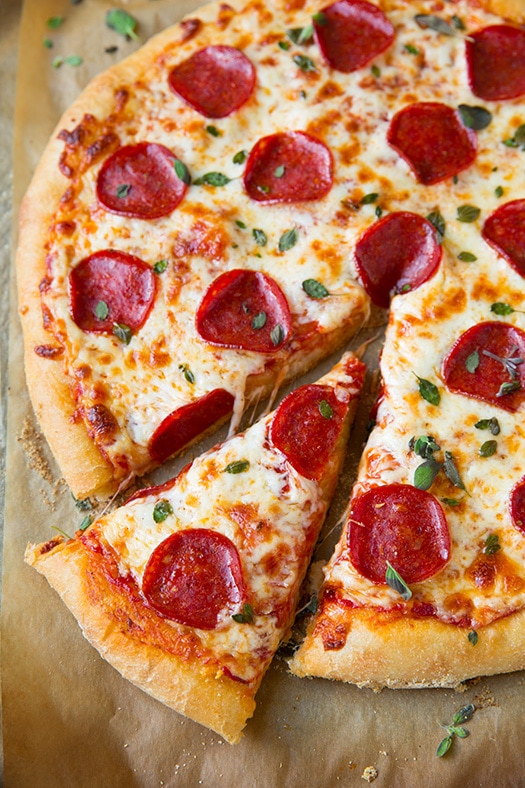
Forget the takeout menus and the disappointment of a lackluster delivery. There's an undeniable magic in creating something delicious from scratch, and when it comes to pizza, the difference is truly transformative. Imagine a piping hot, perfectly crisp yet chewy crust, kissed with a vibrant, herbaceous sauce, melted cheese, and savory pepperoni. This isn't just a fantasy; it's the reality of a homemade pepperoni pizza, where every element, from the dough to the sauce, is crafted with care and passion. Get ready to embark on a culinary adventure that will forever change your Friday nights and elevate your perception of what pizza can be.
The Foundation: Crafting Your Perfect Homemade Pizza Dough
The soul of any great pizza lies in its crust. While store-bought options exist, there’s no comparison to the flavor, texture, and sheer satisfaction of a homemade pizza dough. It provides the ideal canvas for your toppings, offering that coveted balance of a crispy exterior and a soft, airy interior. This process might seem intimidating at first, but with a few simple steps, you'll be a dough-making pro in no time.
Activating the Yeast: The Spark of Life
Our journey begins with active dry yeast, the essential leavening agent that gives pizza dough its rise and character. You'll need 2 ¼ teaspoons of active dry yeast combined with 2 teaspoons of granulated sugar and ½ cup of warm water, ideally around 110 degrees Fahrenheit. The sugar acts as food for the yeast, and the warm water provides the perfect environment for it to awaken. Whisk them together gently and let the mixture rest for about 5 minutes. You should see it become foamy and bubbly, indicating the yeast is alive and ready to work its magic. If there’s no foam, your yeast might be old or the water temperature was off, and it's best to start over.
Mixing and Kneading: Developing the Gluten Structure
Once your yeast is active, it's time to build the dough. In the bowl of an electric stand mixer (fitted with a whisk attachment initially), add the remaining 1 cup of warm water, 3 tablespoons of olive oil, 1 ½ teaspoons of salt, and 1 teaspoon of white vinegar. The olive oil adds flavor and tenderness, while the vinegar contributes to a more tender crumb and helps activate the gluten. Slowly incorporate 1 ¾ cups of bread flour. Bread flour is preferred for its higher protein content, which leads to better gluten development and a chewier crust – perfect for a sturdy pepperoni pizza.
Switch to a dough hook attachment. Gradually add the remaining 1 ¾ cups of bread flour. Knead the mixture on medium-low speed for about 5-7 minutes. During this process, you may need to add up to an additional ½ cup of flour, a tablespoon at a time, until the dough is smooth, elastic, and pulls away from the sides of the bowl. The ideal consistency is slightly sticky but should not leave residue on a clean fingertip. Proper kneading is crucial; it develops the gluten strands, giving the dough its structure and characteristic chewiness. For those without a stand mixer, hand-kneading can achieve the same results, just with a bit more elbow grease.
The Rise: Patience is a Virtue
Once kneaded, lightly brush the dough with olive oil, cover the bowl with plastic wrap, and place it in a warm spot. This could be a sunny windowsill, a slightly warmed oven (turned off!), or simply a cozy corner of your kitchen. Allow the dough to rest and rise until it has doubled in size, which typically takes about 1 ½ hours. This slow rise develops deeper flavors and a lighter texture. If you’re not making two pizzas right away, this recipe yields enough dough to be divided into two 16-ounce portions; one can be frozen in a resealable bag for a future pizza night, saving you time later on!
The Heart of the Flavor: Your Signature Homemade Pizza Sauce
A truly exceptional pepperoni pizza homemade experience isn't complete without a vibrant, fresh-tasting sauce. While a simple canned tomato sauce can work, crafting your own from scratch takes your pizza to an entirely new level. It's surprisingly easy and allows you to customize the flavor profile to your liking, far surpassing any jarred alternative.
Simple Ingredients, Big Flavor
For this delightful pizza sauce, you'll need two 8-ounce cans of quality tomato sauce, ¼ cup of tomato paste (for richness and body), 1 ½ tablespoons of extra virgin olive oil, and 1 ½ teaspoons of honey. The honey is a secret weapon, balancing the acidity of the tomatoes and adding a subtle sweetness that brightens the overall flavor profile. For the aromatic herbs, we'll use 2 teaspoons of chopped fresh oregano, 2 teaspoons of chopped fresh basil, and ¼ teaspoon of dried thyme (or ¾ teaspoon fresh, if you have it). Finally, a finely minced clove of garlic provides that essential pungent kick. Don't forget salt and pepper to taste – always season as you go!
Melding the Flavors: The Importance of Resting
The beauty of this sauce is its simplicity. Combine all the ingredients in a bowl and stir well. While you could use it immediately, the true magic happens when you let the flavors meld. Ideally, allow the sauce to rest for at least 30 minutes, or even longer, while your dough is rising. This allows the herbs and garlic to infuse thoroughly into the tomatoes, creating a more cohesive and complex taste. Taste and adjust seasonings as needed – perhaps a pinch more salt or a dash more honey if your tomatoes are particularly acidic. You can even make this sauce a day ahead and store it in the refrigerator; the flavors will only deepen.
Assembling Your Masterpiece: Toppings and Baking Techniques
With your perfect homemade dough risen and your signature pizza sauce bursting with flavor, it's time for the exciting part: assembling your very own homemade pepperoni pizza. This stage is where you truly bring your vision to life, paying attention to the details that make all the difference.
Prepping for Perfection: Oven and Dough
Before you begin assembly, place a pizza stone in your oven and preheat it to a blazing 450 degrees Fahrenheit. A pizza stone (or a heavy baking steel) is crucial for achieving that authentic, crispy crust by conducting intense heat directly to the bottom of the dough. Allow it to preheat for at least 30-60 minutes to ensure it's scorching hot.
Now, gently punch down your risen pizza dough to release the air. If you've made two portions, decide whether you're using both now or freezing one for later. Lightly dust a sheet of parchment paper (placed on a pizza peel) with flour. This combination of parchment paper and a pizza peel is your best friend for a smooth transfer to the hot stone. Pat, roll, and stretch the dough into a 13-inch round, carefully creating a slightly raised rim along the edge. This rim not only gives you a delicious edge to hold but also acts as a barrier for your toppings.
Next, use a fork to pierce the dough many times over its surface, being careful not to go all the way through. This helps prevent large bubbles from forming in the crust during baking, ensuring a flatter, more even surface for your toppings.
Layering Flavor: Sauce, Cheese, and Pepperoni
In a small bowl, stir together 1 tablespoon of olive oil with 1 finely minced clove of garlic. This garlic-infused olive oil is a game-changer! Brush it evenly over the top and edges of your dough. It adds a wonderful depth of flavor to the crust and helps it achieve a beautiful golden brown color.
Next, evenly spread about ⅔ cup of your homemade pizza sauce over the dough, making sure to leave that delicious rim uncoated. This allows the crust to crisp up beautifully. Follow with 2 cups of shredded Mozzarella cheese (about 8 ounces) and ¼ cup of finely shredded Parmesan cheese (about 1 ounce). Mozzarella provides the classic melty, gooey stretch, while Parmesan adds a sharp, salty punch. Again, leave the rim clear of cheese.
Finally, arrange about 20 slices of pepperoni over the cheese. A quick tip for turkey pepperoni (which is a great, lighter alternative that's just as delicious as regular): consider adding it halfway through the baking process. This prevents it from drying out too much and allows it to get perfectly crispy. Regular pepperoni can go on from the start.
Beyond the Oven: Finishing Touches and Serving
The moment of truth is here! Carefully slide your assembled pizza (still on the parchment paper) onto the preheated pizza stone in the oven. Bake for 12-15 minutes, or until the crust is golden brown and the cheese is bubbly and lightly browned in spots. Keep a close eye on it, as oven temperatures can vary.
Once baked to perfection, remove the pizza from the oven. For a final flourish, sprinkle the top with 2 tablespoons of fresh chopped oregano and, if you enjoy a little heat, some optional red pepper flakes. Allow the pizza to rest for a minute or two before slicing into generous wedges. This brief rest helps the cheese set and prevents all the toppings from sliding off immediately.
Serving up your homemade pepperoni pizza is an experience in itself. The aroma filling your kitchen, the sight of the perfectly baked crust, and that first incredible bite will confirm that every moment spent crafting it was absolutely worth it. You'll taste the freshness of the dough, the vibrancy of the sauce, and the satisfying combination of melted cheese and savory pepperoni – a symphony of flavors that simply can't be replicated by any delivery service. No need for delivery when you've got a recipe this good!
