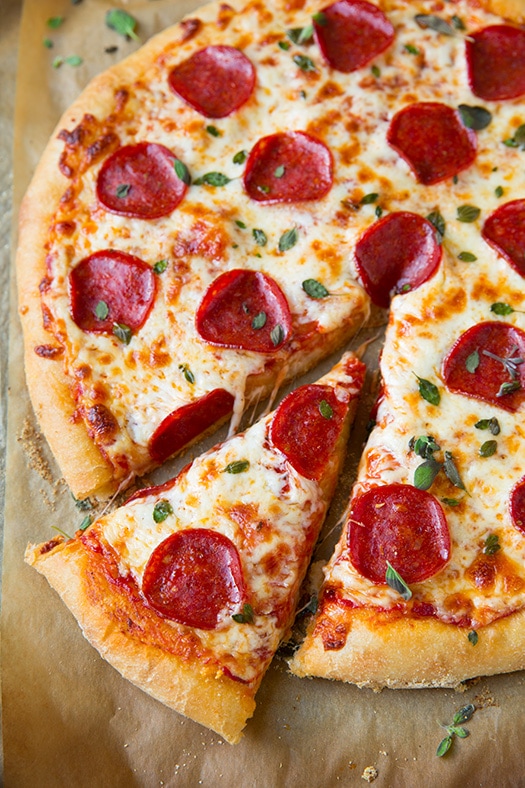
Crispy, Cheesy & Easy: Your Best Homemade Pepperoni Pizza Recipe
Forget dialing for delivery! Imagine sinking your teeth into a slice of pepperoni pizza with a perfectly crispy crust, a rich, tangy sauce, and an irresistible blanket of melted cheese and spicy pepperoni, all crafted with your own hands. Making
homemade pepperoni pizza might seem daunting at first, but with this comprehensive guide, you'll discover that creating a pizzeria-quality pie in your own kitchen is not only achievable but incredibly rewarding. The secret truly lies in mastering the fundamental elements: a tender yet crisp
homemade dough and a vibrant, flavorful
pizza sauce made from scratch. This isn't just a recipe; it's an experience that will elevate your Friday night and forever change your perspective on this classic comfort food.
Many might dismiss homemade pizza as too much effort, or perhaps, like some, you might have even thought pepperoni pizza wasn't your absolute favorite. But once you taste the difference that fresh, quality ingredients and a little homemade love can make, especially when it comes to the
dough and sauce from scratch, you'll understand why it's worth every moment. The process is a culinary journey, transforming simple ingredients into a delicious masterpiece that’s far superior to anything that comes in a box. So, let’s roll up our sleeves and dive into crafting the best
pepperoni pizza homemade dough pizza sauce experience you've ever had!
The Foundation: Crafting Your Perfect Homemade Pizza Dough
A truly exceptional pizza begins with an outstanding crust. While store-bought dough can work in a pinch, creating your own
homemade dough provides unparalleled flavor, texture, and a satisfying chew that forms the perfect canvas for your toppings. It’s the difference between a good pizza and a *great* pizza.
To begin, you’ll need to activate your yeast. Combine active dry yeast with a touch of granulated sugar and warm water (around 110°F or 43°C). The sugar acts as food for the yeast, and the warm water provides the ideal environment for it to wake up and become frothy – a clear sign it's alive and ready to work its magic. Let this mixture rest for about five minutes; it should become foamy on top.
Next, in the bowl of a stand mixer, introduce the remaining warm water, olive oil, salt, and a touch of white vinegar. The olive oil adds richness and elasticity to the dough, while salt enhances flavor and helps regulate yeast activity. The vinegar, a lesser-known secret ingredient, can improve the dough's texture and contribute to a slight tangy complexity.
With the whisk attachment, gradually incorporate about half of your bread flour. Bread flour is highly recommended over all-purpose flour for pizza dough due to its higher protein content, which develops more gluten, resulting in a chewier, more structured crust. Once combined, switch to a dough hook. Slowly add the remaining flour, kneading on medium-low speed for 5-7 minutes. The goal is a smooth, elastic dough that is slightly sticky but doesn't adhere to a clean fingertip. You might need to add a little more flour, up to an additional half-cup, depending on the humidity and your flour.
Once kneaded, transfer the dough to a lightly oiled bowl, turning it to coat. Cover it tightly with plastic wrap and place it in a warm spot to rise. A common trick is to turn your oven light on for a few minutes, then turn it off and place the bowl inside – the residual warmth creates a perfect proofing environment. Allow it to rise until doubled in size, which typically takes about 1.5 hours.
Pro Tip: This recipe often yields enough dough for two pizzas. Once your dough has risen, you can divide it in half. Use one portion immediately and freeze the other in a well-sealed, freezer-safe bag for up to a month. Thaw it in the refrigerator overnight before bringing it to room temperature for your next pizza night!
The Heart of the Pizza: A Robust Homemade Pizza Sauce
Just as crucial as the dough is the
homemade pizza sauce. A fresh, vibrant sauce can elevate your pizza from ordinary to extraordinary, contrasting beautifully with the rich cheese and savory pepperoni. Forget jars of bland, overly sweet sauces; this simple recipe focuses on fresh flavors that truly sing.
Combine two (8 oz) cans of quality tomato sauce with a quarter cup of tomato paste – the paste adds depth and intensifies the tomato flavor. Incorporate extra virgin olive oil for richness, and a touch of honey to balance the acidity of the tomatoes without making the sauce overly sweet.
Now for the aromatics: finely minced garlic, chopped fresh oregano, and fresh basil are non-negotiable for a truly authentic taste. A pinch of dried thyme (or more fresh thyme if you have it) rounds out the herb profile. Mix all these ingredients together in a bowl. While you can use it immediately, for the best flavor development, ideally let the sauce rest for at least 30 minutes (or even longer, perhaps while your dough is rising). This allows the flavors to meld and deepen, creating a more complex and harmonious sauce.
Chef's Insight: Don't be afraid to adjust the seasonings to your preference. A tiny pinch of red pepper flakes can add a subtle kick, or a splash of balsamic glaze can introduce an extra layer of complexity. Taste and adjust until it's perfect for *your* palate. You want a sauce that's neither too thick nor too watery – a smooth, spreadable consistency is key.
Assembling Your Masterpiece: From Dough to Deliciousness
With your dough perfectly risen and your sauce fragrant, it’s time to bring your
pepperoni pizza to life. This stage is where all your efforts come together, culminating in a beautiful, ready-to-bake pie.
First, preheat your oven to a blistering 450°F (232°C) with a pizza stone or heavy baking steel inside. This high heat and preheated surface are crucial for achieving that coveted crispy crust, mimicking the intense heat of a brick oven.
Once the dough has risen, gently punch it down to release the air. If you're making two pizzas, divide the dough into two equal portions. Place a sheet of parchment paper over a pizza peel (this is your secret weapon for easy transfer!) and lightly dust it with flour. Now, gently pat, roll, and stretch one portion of the dough into a 13-inch round. As you stretch, work to create a slightly raised rim around the edge – this forms a natural barrier for your toppings and creates a delicious, airy crust.
Using a fork, pierce the dough all over its surface, being careful not to go all the way through the parchment paper. This prevents large air bubbles from forming during baking, ensuring an even crust. In a small bowl, combine a tablespoon of olive oil with a finely minced clove of garlic. Brush this fragrant oil evenly over the top and edges of your dough – this adds another layer of flavor and helps the crust brown beautifully.
Next, evenly spread about 2/3 cup of your delightful
homemade pizza sauce over the dough, making sure to leave that beautiful rim uncoated. This prevents the edges from becoming soggy and allows them to puff up and crisp. Now, generously top with a blend of cheeses: two cups of shredded Mozzarella for that classic melt and a quarter cup of finely shredded Parmesan for a sharp, savory counterpoint. Finally, arrange about 20 slices of pepperoni over the cheese. If using turkey pepperoni, a great leaner alternative that’s just as flavorful, consider adding it halfway through baking to prevent it from getting too crispy too soon.
Baking for Perfection: Achieving the Golden Crust
The moment of truth arrives when your carefully assembled pizza meets the fiery embrace of your oven. Baking your
pepperoni pizza correctly is the final step to achieving a truly professional result.
Carefully slide the pizza (still on its parchment paper) from the pizza peel directly onto the preheated pizza stone in the oven. The direct contact with the hot stone will immediately begin to crisp the bottom crust, creating that desirable crackle. Bake for 12-15 minutes, or until the crust is golden brown, the cheese is bubbly and molten, and the pepperoni edges are delightfully curled and crisp.
Once baked to perfection, carefully remove the pizza from the oven using your pizza peel. Let it rest for a minute or two before slicing – this allows the cheese to set slightly, preventing it from sliding off when you cut into it. For an extra touch of freshness and aroma, sprinkle the top with fresh chopped oregano and, if you enjoy a little heat, a pinch of red pepper flakes. Cut into generous slices and serve immediately, savoring every crispy, cheesy, flavorful bite.
Conclusion
There’s an unparalleled joy and satisfaction that comes from creating a truly exceptional
homemade pepperoni pizza from scratch. From the satisfying act of kneading your own
homemade dough to simmering a rich, aromatic
pizza sauce, every step contributes to a final product that far surpasses any takeout option. This recipe isn't just about making food; it's about making memories, celebrating simple ingredients, and discovering the incredible flavors you can create in your own kitchen. So next time you're craving pizza, embrace the challenge, gather your ingredients, and embark on this delicious adventure. You’ll quickly realize that the best pizza is the one you make yourself. It's time to gather your loved ones and
elevate your Friday night with the ultimate homemade pepperoni pizza experience!